Science

If you have ever wondered why the earth turns on its axis once every 24 hours, why non-stick pans are non-stick, why oil floats on water, why the human brain is cleverer than the biggest computer, then this is the group for you.

You do not have to be a member of this group – you are welcome to come to any talk which interests you.
Cost is £1 to cover room costs, refreshments, materials and speaker expenses.

Scout & Guide HQ
1st Wednesday of the month
2.00 pm
  • Co-ordinators:
  • Jack Brettle    -   01695 422912
  • Alan Nolan     -   01695 423442
  • Marguerita McBride  -  01695 423593
  • Patsy Colvin   -   01695 722736

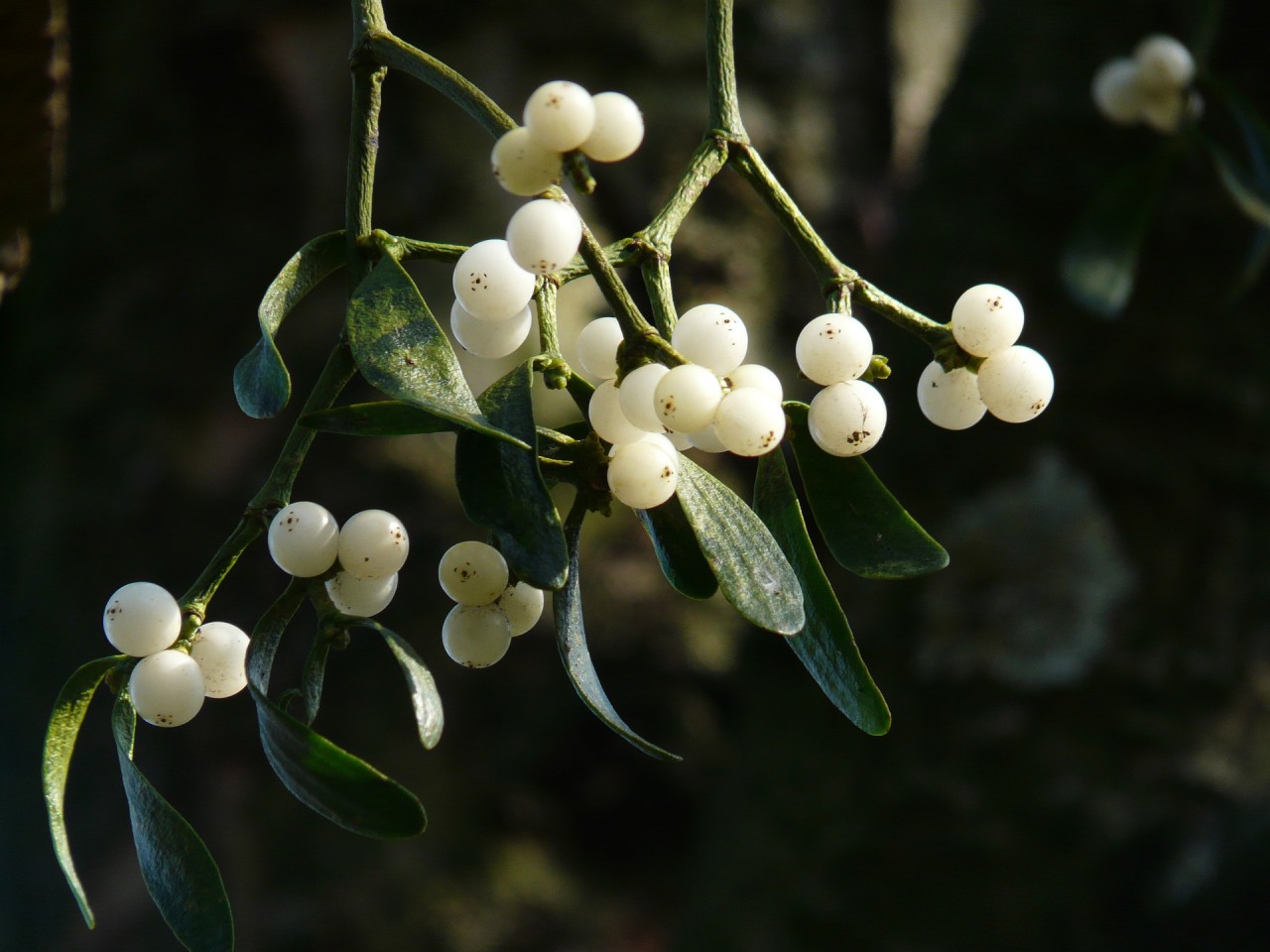
mistletoe-berries-16393_1920Wednesday, 2 December 2015 – sees us hold our annual Christmas Cheer event: 10 minute talks on Christmas science, a quick quiz, games, mulled wine with mince pies and cake, many prizes ~ what else could you wish for!


Wednesday, 6 January 2016 – Science in Art – Patsy Colvin

Although Science and Art seem to be diametrically opposed, with the advent of new techniques science can be used to study paintings and gain insight into the methods used in the past by artists. These techniques can also be used to detect forgeries or show that suspect paintings are genuine. The talk will concentrate on the use of materials such as pigments and spectroscopic techniques now used in the National Gallery.

Wednesday, 3 February 2016 – The Development of the Mersey Chemical Industry – Paul Davies

Wednesday, 2 March 2016 – Radiology: 50 Shades of Grey – Gill Baynes

Wednesday, 6 April 2016 – The Internet of Things – Neil Stevenson

Mobile phones and sunbeds

By | November 7, 2015

mobile phone

Wednesday, 4 November 2015Mobile Phones and Sunbedssunbed
Are you worried by what you see written in the press about the danger of radiation from mobile phones, or mobile phone masts?


Are you less worried about the possible dangers from sunbeds?

Those who attended the talk by Professor Peter Cole will have been reassured about one of these, and even more concerned about the other.

Peter Cole is a Professor in the Department of Physics at Liverpool University and current President of the Society for Radiological Protection. Peter gave a stimulating and informative talk, laying to rest many myths about the dangers of radiation. It seems that radiological dangers relating to mobile phones have been vastly exaggerated in the popular press, while the much greater danger from unsupervised or incorrect use of sunbeds has been largely ignored.

Space Weather and the Earth’s Magnetic Shield

By | September 25, 2015

Wednesday, 7th October 2015 – Space Weather and the Earth’s Magnetic Shield – Prof. John Shaw

The Earth’s magnetic field shields the Earth from the solar wind and high energy particles that are released from the sun during solar storms. 2000px-Structure_of_the_magnetosphere-en.svg[1]Is the magnetic shield constant or does it change, can it collapse completely? What do we know about the behaviour of the magnetic field in the past? What could happen to civilisation if the field decreases? The answers to these and many other questions can be found in the ancient recordings stored in ceramics and rocks. John Shaw gave us a fascinating account of how the earth’s magnetic field protects us from harmful rays and particles ejected from the surface of the sun, and went on to explain what might happen if the magnetic field disappeared. He rounded off the talk by showing us how to make a DIY megnetometer, mainly using a handful of household objects.

Himalayan Medicine

By | August 27, 2015

Wednesday, 2nd September 2015 – Himalayan Medicine – Dr John Winter

John Winter is the author of “Aiming High, Overland Book title: Aiming High - Overland to the Himalayasto the Himalayas” Aiming High – Overland to the Himalayasand a local member.

He travelled to Everest, Annapurna and Indrasan in the nineteen seventies as a newly qualified medic to help with the treatment of climbers suffering from altitude sickness.

With some stunning photographs, and sketch maps of the region, he gave an overview of the risks and medical problems associated with high altitude mountain climbing and trekking in the Himalayas.

Cumbria U3A Network – Energy Day

By | August 14, 2015

Friday 9th October 2015, at Rheged, Penrith

Come and hear up to date information about how we might meet our energy needs without compromising the future of the planet. The content will not be highly technical.

This is the Cumbria Network’s first conference. The conference will take place in the lecture theatre at Rheged. Tea and coffee are included in the cost per place which is £12.

With a panel of speakers including senior figures at Lancaster University and specialists in Energy and the Environment, it promises to be a most interesting and informative day.

Full details of the conference and a booking form can be downloaded from here.

Please note that places must be booked by 20th August.

Predators in Liverpool Bay

By | June 11, 2015

Wednesday, 1st July 2015 – Predators in Liverpool Bay – Mathew Clough

Mathew Clough is Director of the Liverpool Bay Marine Life Trust, and came along to tell us about the seals, cetaceans and sharks on our own doorstep.

Liverpool Bay is often forgotten in regard to its marine life and there is an image of it being polluted. Hard work and a lot of clean up programmes have bought life back to the bay though and Mathew described just how many of the large predators are now found within Liverpool Bay and where we see them.

Solar Eclipses

By | May 24, 2015

Wednesday, 3rd June 2015 – Solar Eclipses – Phillip Pendred

Last year Phillip talked to us about ‘Time’, or the measurement of time to be precise, illustrating his talk with some wonderful slides. This year he gave us a very instructive talk about Solar Eclipses – how they come about, why they last for varying lengths of time, why they don’t occur more frequently at any one place on earth and more.

Illustrated with computer simulations of the movement of the moon and earth in relation to the sun, he explained the various astronomical cycles that ancient observers used to predict eclipses, even without our modern understanding of the solar system.

How do we know where we are?

By | April 29, 2015

Wednesday, 6th May 2015 – “How do we know where we are?” Prof Matthew Nolan

Speaking to the Aughton & Ormskirk U3A Science Group

At the Aughton & Ormskirk U3A Science Group

Matthew (Alan’s nephew) is Chair of Neural Circuits and Computation, University of Edinburgh Centre for Integrative Physiology, whose research is interested in the mechanisms used within the brain to mediate cognitive processes and guide learned behaviours!

Matthew gave an extremely interesting talk about how neurons interconnect and the mechanisms involved. He described some of the research methods his team uses to identify exactly which neurons are involved in the brain’s ability to keep track of location. Unusually, the talk was right at the cutting edge of scientific research yet it was delivered at a level that we could easily follow and enjoy.

Forensic Geology

By | March 28, 2015

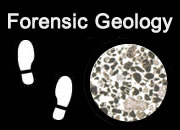
Wednesday, 1st April 2015 – Forensic Geology – Dr Maggie Williamsforensic-geology-180

Dr Williams, from the School of Environmental Sciences at the University of Liverpool, gave us an insight into the science of Forensic Geology and how it is applied in the investigation of crime scenes. Her slides can be downloaded here.

Lovey Dovey

By | February 28, 2015

Wednesday, 4th March 2015 – Lovey Dovey – Graham Cawdell, seagullConsultant Obstetrician and Gynaecologist at Whiston Hospital. Graham came along to tell us about breeding, egg laying, incubation, feeding, nurturing and fledging in birds. Many of these things vary greatly from one species to another, and there seems to be an almost limitless number of combinations, each designed to ensure the continuity of that species in its niche environment.

Graham’s talk was both entertaining and informative – and obviously delivered by someone whose interest in birds was kindled at a very early age. A thoroughly enjoyable session.


Chemical elements part 2

By | February 18, 2015

   Wednesday, 4th February 2015 – Chemical Elements part 2 – this was a joint effort by 6 of our members, each talking for 10 minutes on their chosen element. It was the second session on chemical elements, the first one being last June. February’s line-up was:

Frank Wood – Silicon
John Appleton – Lead
Ann Parker – Hydrogen
Allan Yates – Polonium
Bill Hale – Iridium
Sue Watkinson – Gold

Each of the presenters took a different approach, which provided great variety.

Frank outlined the zone refining of silicon, its crystal structure, siliconand its major uses. He then went on to explain how silicon acts as a semi-conductor when doped with either nitrogen or phosphorus atoms and is the basis of the transistor.

leadJohn described the harmful effects of environmental lead in the development of children’s teeth, with particular reference to a project he has worked on in Poland monitoring the levels of lead over time.


On a lighter note (you can’t get much lighter than hydrogen!), Ann hydrogenexplained the critical importance of hydrogen bonds in biology and how they enable life as we know it.

poloniumAllan talked about the discovery and properties of polonium, one of the most radioactive and toxic substances around, and its role in the killing of the former soviet secret service agent Alexander Litvinenko.

iridiumBill’s interest in birds and geology suggested iridium, which is found in meteorites with an abundance much higher than its average abundance in Earth’s crust. For this reason the unusually high abundance of iridium in the clay layer at the Cretaceous–Paleogene boundary gave rise to the Alvarez hypothesis that the impact of a massive extraterrestrial object caused the extinction of dinosaurs and many other species 66 million years ago.

goldSue rounded off the mini-talks with an interesting account of the early history of gold and its uses through the centuries right up to the present day use in electronics , medicine and space exploration.


I venture to suggest that the seventy-eight people who came along not only enjoyed the talks, but also went away knowing something extra about six more of our chemical elements.

It’s a Materials World

By | January 16, 2015

Wednesday, 7th January 2015 – It’s a Materials World! by Jack Brettle
What is your view of history? What do historians think drives the development of human society? Is it economic, political, religious or sociological forces?

Jack Brettle posed these questions, but suggested that historians have got it all wrong and that human development is down to new materials technologies!

The talk walked us through four “ages of development”: the stone age, the agricultural age, the industrial age and finally the information age. Within each age, Jack outlined the basic types of materials available at the time, and posited that it was the discovery or development of significantly novel materials that led to the transition to the next age.

He finished with some thoughts on the future; as we move towards a “molecular age” will we be able to design functional molecules for almost any purpose?

An excellent talk, which sparked lots of questions and contributions from the assembled gathering.

Christmas Cheer

By | November 23, 2014

Wednesday, 3rd December 2014 – “Christmas Cheer”:

Christmas Menu

Mulled wine
~~~~~~~~~~~~~
Reindeer – by Chris Procter. How do reindeer survive and thrive in the harsh conditions of the Arctic, and why do their antlers grow so fast? Chris will have all the answers.

Christmas Baking and Christmas Drinks – what is the common denominator? Yeast!
Jack claims to know something about the action of yeast in baking a panettone, and Patsy has done a fair bit of fermentation – she was a chemistry teacher, after all! But what’s going on inside, and why is yeast so important?
~~~~~~~~~~~~~
Refreshments, including panettone, cake, biscuits, tea and coffee
~~~~~~~~~~~~~
Crackers and Snowflakes – Patsy will explain how crackers crack, and Marguerita will address the question, “are all snowflakes the same?”

We will be serving up a variety of science morsels: physics, chemistry, biology, astronomy and domestic! Come along and sample them all.

The Science of Cleaning

By | November 1, 2014

Wednesday, 5th November 2014 – “It’s a dirty old world we live in” – the Science of Cleaning, by Patsy Colvin. As an ex Head of Chemistry at a local school, Patsy brought her vast experience of chemistry to bear on the problem of cleaning. Why are some stains harder to remove than others? Why do we need so many different types of cleaning solution? Why can’t there be a universal cleaner?

Well, Patsy did a very good job of enlightening us: we heard about surfactants, solvents, chelators, saponifiers and builders and how these various components of the cleaning process work on different types of stain. We learnt about soils and stains, anions and cations, hydrophilic and hydrophobic solvents, and hopefully we left with a better understanding of how to read the labels on cleaning products!

Questioning Style and Memory

By | September 26, 2014

Wednesday, 1st October 2014 – “Questioning Style and Memory”. Dr Joyce Humphries, from Edge Hill University Psychology Department, returned to talk about the findings from the study earlier this year in which quite a number of our members participated.Dr Joyce Humphries

It was fascinating to hear the background to the study, and Joyce took us through a potted history of academic studies done to investigate the effect of cross-examination styles on whether witnesses changed their testimony between their first account and their performance in court. Most such studies had focused on the reliability of young people’s testimony, and the project at Edge Hill was to see if there was any difference between younger and older people in their propensity to change their statements under cross-examination.

Readers may be relieved to know that the results suggested there was no significant difference in this respect; younger witnesses were just as likely to change their minds as older people under cross-examination (irrespective of whether their first statements were accurate or inaccurate).

Visit to Springfields Nuclear Fuels

By | September 26, 2014

Thursday, 11th September 2014 – visit to Springfields Nuclear Fuel Manufacturing site, organised by Jack Brettle. A fascinating tour of the nuclear fuel plant near Preston, the visit gave us an insight into the complex and highly technical aspects of manufacturing fuel rods for various British nuclear power stations. Precision is important, as you might imagine, but the process still relies on people to correct any bends in the rods and make sure they are actually straight!

The visit was also notable for the extent of the security checks made by the operators of the site – we had to register with our passports or photo driving licences, and while we were having our bags searched, a security team was sweeping the coach to check for bad things – concealed weapons, I guess!

Perception

By | August 22, 2014

Wednesday 3rd September 2014 – “Perception” by Sylvia Dillon: Making sense of what we see – an introduction to Visual Perception and the neuro-physiological processes whereby a person becomes aware and interprets external stimuli.

Sylvia talked about how photons of light are processed – at first by the eye, then the brain, then how the individual perceives the world they live in. Covering physics, biology and psychology, she gave examples showing how perception is an active process and how early life experience, especially as a toddler influences the development of perception.

Hack Green Secret Bunker

By | August 6, 2014

Wednesday June 25th2014. The Science Group visited the Hack Green Secret Nuclear bunker followed by lunch at Bridgemere Garden Centre and some time to have a wander

Hack Green signposted

Hack Green signposted

around there.

The general opinion was that the visit was very successful, with many people being quite surprised, and even a little shocked, by the degree of preparedness (or lack of) in the event of a “four-minute warning” being given.

Many thanks to Barry Carr for organising the visit and ensuring a smooth trip.


The bunker was built to be the administrative H.Q. for the North West, in case of a nuclear attack in the cold war era. All the facilities to govern this area were based there. They remain as they were, ready for use.

This chilling reminder of that time now looks somewhat dated yet is a fascinating piece of history.When the wind blows jpg

You can see what might have happened if the bomb had been dropped.

There are many public information films that were never released, explaining what we should do – rather reminds me of that cartoon ‘When the wind blows’.

The History of Communications

By | June 25, 2014

Wednesday, 2nd July 2014 – The History of Communications over the past 100 years, with particular reference to the changes made during the lifetimes of our members, by Mike Briggs. Mike started out as a ship’s Radio Officer in the Merchant Navy, before moving into the world of Microwave Transmissions systems for both TV and data.

The talk covered

  • evolution of human verbal communications
  • early methods of how information and messages transmitted beyond the location of the originator
  • visual methods used for signalling through the centuries
  • the importance of communication and its development of our world
  • examples of how significantly, even disastrously, communications has impacted upon on our lives
  • essential components required for long and short range communications systems
  • examination of the amazing developments which have been made during the past 100 years

There was also a selection of equipment available for people to examine, from the simple but amazing telegraphic Morse key through to point to point microwave systems, walkie talkies and a few museum pieces.

All in all, Mike gave us a great insight into the developments that have changed the way we communicate with each other.

Chemical elements part 1

By | May 14, 2014

Wednesday, 4th June 2014 – “Chemical Elements – Part 1″ – a joint effort by 6 of our members, each talking for 10 to 15 minutes about their chosen element. The line-up was:

Patsy Colvin setting the scene with a brief definition of an element, a bit of atomic theory and a tour around the periodic table, then on with the show, starring your very own…

Edmund Moynihan talking about Iron.  A whizz through the history of iron taking in Soviet Art, the Romans, the industrial revolution, geology with a bit of biology to finish with.
Beryl Yates talking about Copper.  Its history, its geology complete with samples to show: what more could you ask for!
Chris Procter talking about Phosphorus.  From its discovery to its critical importance in biology and agriculture, everything you wanted to know.
Peter Croughan talking about Noble Gases  Six elements at once, not so unreactive as you might think with much curious chemistry and many important technological applications
John Parsons talking about Chlorine  A much maligned element, critical to modern hygiene.  The world of Domestos revealed
Tony Edwards talking about Platinum  Not just for jewelry, important in many areas of technology especially the glass industry.  We learned some metallurgy from an expert.

Each of these has a story, and each of the presenters took a different tack. We heared some fascinating things about the discovery, chemistry, physical properties, uses and economic importance of each of these elements; and with seven of our own presenters, no one fell asleep!

Time – a brief history?

By | April 22, 2014

Philip PendredWednesday, 7th May 2014 – “Time” – by Philip Pendred, who talked to us last year about Comets. This time, his talk concerned the way time was measured with particular regard to Astronomy (Solar time etc.); sundials; the equation of time and its derivation; the importance of timekeeping with reference to finding longitude; precession of the Equinoxes and the calendar and its adjustments.

I can give no better summary of the talk than to print this poem by Judy Ingman:

Measuring Time

Philip Pendred’s lecture was enthralling, as we were all to find
As we learned from the early Ancients the ways to measure TIME
And all about the water buckets, a device that’s called Clepsydra
Where servants counted buckets filled, a job of much fastidiar!

Time measurement throughout the ages, relied on the movements of the Sun
Candle clocks, sundials, and hourglasses, before the pendulum
Then we proceed through huge machines, until we come eventually
To atomic clocks measuring increments in our last twentieth century.

The question, what’s a  SECOND?  is answered, equal to tick, tocks
And thereby do we come to our watches and all our many clocks!
For accuracy we must measure the elliptical orbit of Earths’ way
With equinoxes and solstices, to determine a Solar day.

Well, the maths and its minutiae leave one gobsmacked to the core
And I don’t know if I can honestly claim to understand much more!
Except to say, to traverse the Sun, days number, three six five and a quarter
So that’s where Leap Year comes on in and rounds off the maths like it oughta!

But thank you Mr. Pendred for talking of Time and how it’s been measured
For it was an afternoon that informed us all, and one that will be treasured.

Thank you Judy.